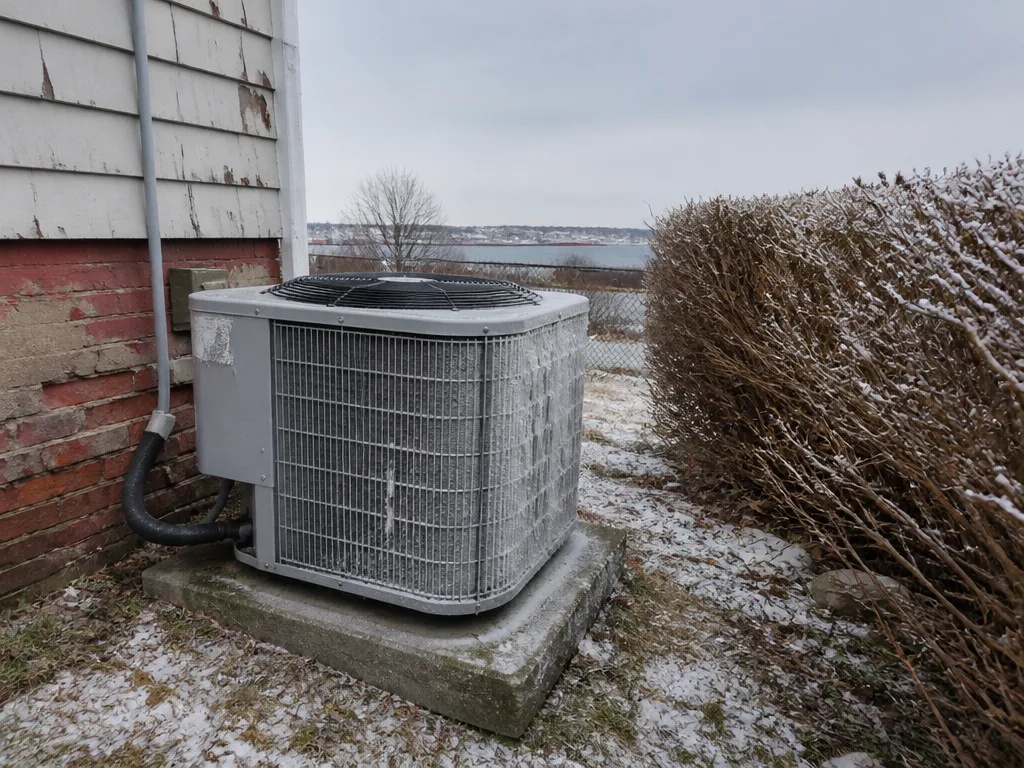
If you live in Lynn long enough, you learn that the air handler is the part of your system nobody thinks about until the house goes quiet in July or the upstairs stops getting warm in January. The air handler is the indoor unit that moves air across the coil and pushes it through the ducts. When it fails, the whole heat pump is effectively out of service, even if the outdoor unit looks fine.
Most air handler trouble doesn't start with a dramatic breakdown. It starts with small things: a filter that's clogged, a drain line that's slowly backing up, a blower that's working harder than it should. Our team at Lynn Heat Pump Repair sees the same patterns over and over in older triple-deckers and newer colonials alike. The good news is that a lot of this is preventable with habits you can build in an afternoon.
Check the filter every month, not every season
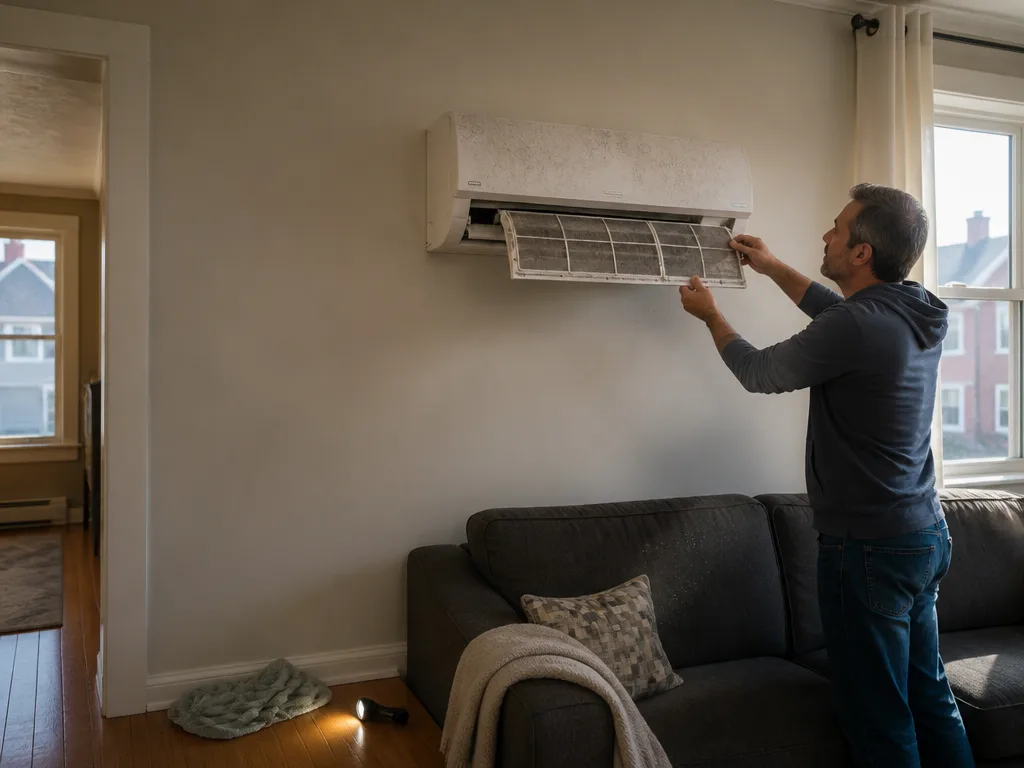
The filter is the cheapest protection your air handler has, and it's the one people forget most. Lynn homes pull in a lot of dust from the streets, especially near the main roads and during the windy months when construction and leaf debris blow around. A filter that looks gray after three weeks is doing its job, but it's also restricting airflow.
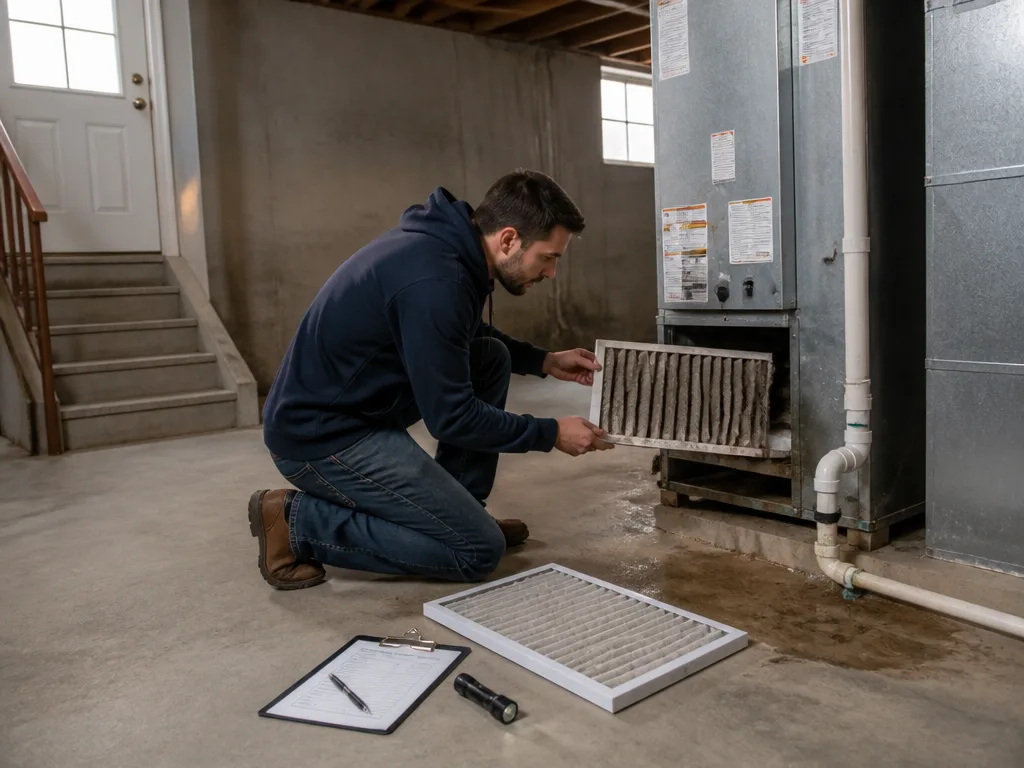
Pull the filter out and hold it up to a light. If you can't see light coming through, it's time for a new one. Write the install date on the cardboard frame with a marker so you stop guessing. Standard 1-inch pleated filters usually need replacing every 30 to 60 days in a home with pets or a busy street, and every 90 days in a quieter house. Check the arrow on the frame, too. Installing it backward is more common than you'd think, and it can cut airflow noticeably.
Keep the condensate drain clear
The air handler pulls moisture out of the air as it cools, and that water has to go somewhere. It drains through a small condensate line, usually a white PVC run that ends at a floor drain, a utility sink, or an exterior spot. When that line clogs with algae and dust, water backs up into the drain pan. Many air handlers have a float switch that shuts the system down when that happens, which is a good safety feature but a bad surprise on a hot afternoon.
Once a quarter, look for the drain pan under the air handler and make sure it's dry. Pour a cup of white vinegar slowly into the drain access point to slow algae growth. If you see standing water, shut the system off at the thermostat and call us before you try clearing it yourself. Forcing a line with the wrong tool can crack a joint.
Watch for the warning signs early
Air handlers talk to you before they quit. You just have to notice. Here's what to listen and look for:
- A new rattle or squeal from the indoor unit, especially when the blower starts
- Airflow at the vents that feels weaker than it did last season
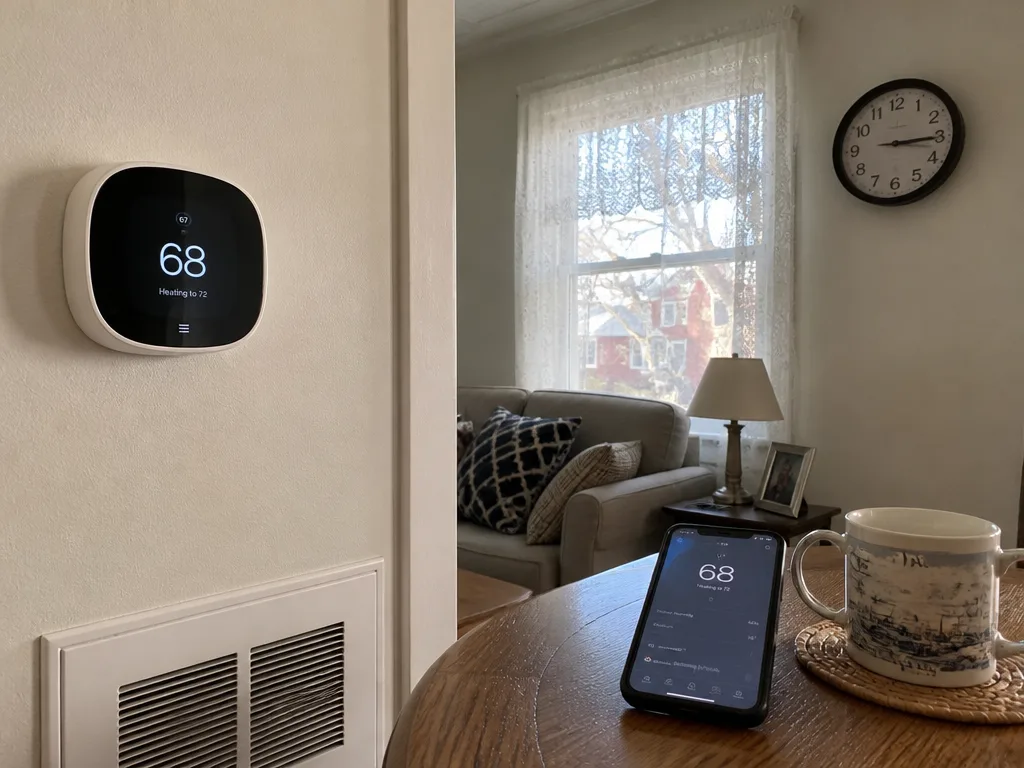
- Rooms on the same floor that heat or cool at very different rates
- Water stains or a musty smell near the closet or basement where the unit sits
- The system cycling on and off faster than normal
Any one of these can have a simple cause. A loose panel can rattle. A slightly dirty blower wheel can cause a squeal. But when two or three show up together, that's usually a sign the blower motor, capacitor, or coil needs attention. Catching it in the first few weeks is almost always cheaper than waiting until the unit stops moving air altogether.
Protect the space around the unit
Where your air handler lives matters. Many Lynn homes put the unit in a basement, attic, or a tight closet with an old door and no return air grille. Keep at least a couple of feet of clear space in front of the access panel so a technician can actually reach the blower and coil without moving boxes. Don't store paint cans, paper recycling, or holiday decorations inside that closet. Those items collect dust and can block airflow to the return.
Check that the return grille is open and unblocked. Furniture pushed against a return can starve the system of air and make it run hot. If you have a finished basement, make sure any new drywall or insulation work didn't put a strain on the unit's ventilation.
A simple monthly routine
If you want something you can actually remember, try this on the first Saturday of every month:
- Swap or inspect the filter and note the date
- Look at the drain pan for water and check the drain line for drips
- Walk through each floor and feel airflow at every supply vent
- Listen to the unit for new sounds when it starts up
- Clear dust from the area around the access panel
That's about fifteen minutes. It's less work than cooking dinner, and it catches most of the problems that lead to air handler repair calls.
When to pick up the phone
Some problems are past the homeowner checklist. If the drain pan is overflowing, if the unit smells like something burning, or if the blower keeps shutting off, turn the thermostat off and call Lynn Heat Pump Repair at your earliest convenience. Scheduling is handled by phone, and our team can usually get you on the calendar within the same week when the weather turns. Don't wait for the system to fail completely in the middle of a cold snap, when parts and time are tighter for everyone.
Keep this checklist somewhere visible, like the inside of the closet door near the unit. A few minutes a month is the cheapest maintenance plan a Lynn homeowner can run, and it keeps your air handler doing its job for years.