The first few weeks decide a lot
Most people in Lynn get their ductless mini-split installed, feel that first blast of cool air or heat, and then mostly forget about it. That is normal. The system does not need babysitting. But the first month or so is when small issues show up, and catching them early is the difference between a unit that runs quietly for a decade and one that starts acting up by February.
Pay attention to how the indoor head sounds and how the room feels. A little ticking as the plastic expands and contracts is fine. A rattle, a gurgling noise, or a room that never quite reaches the setpoint is worth a phone call. Write down what you notice and when. It makes the conversation with whoever comes out a lot shorter.
Also watch the drain. Condensate lines on these systems run outside or into a floor drain, and a line that drips where it should not, or pools near the wall, tells you something is off with the slope or the connection. Water near the foundation in a wet spring is not something you want to ignore.
Filters are the easiest habit to keep
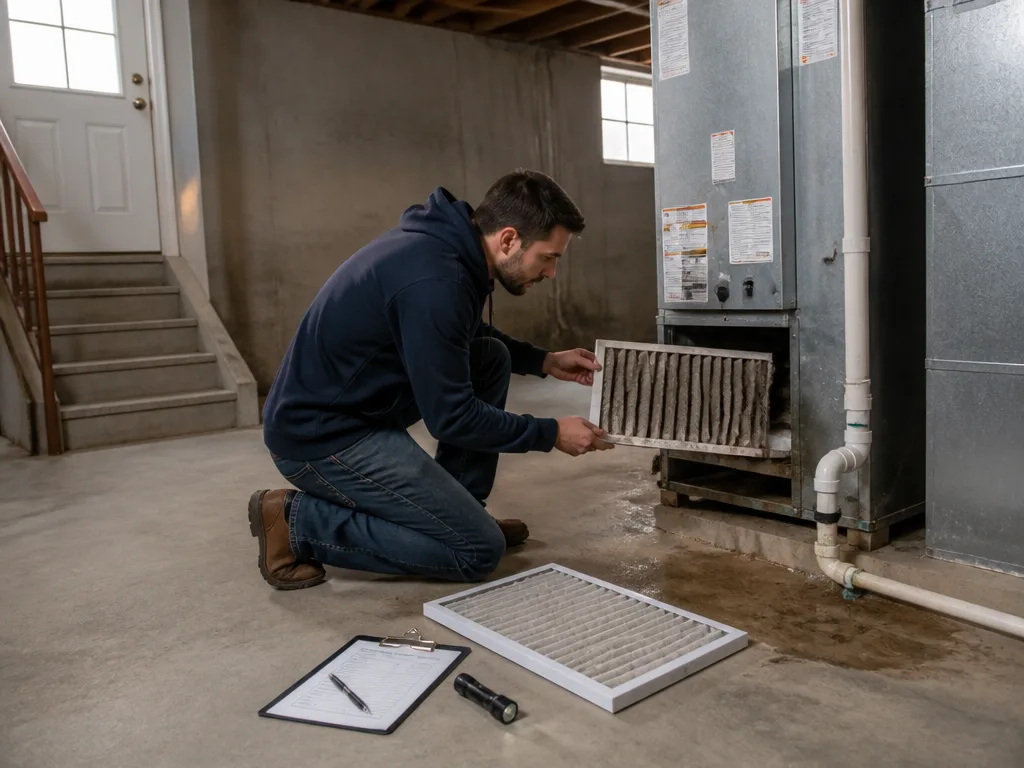
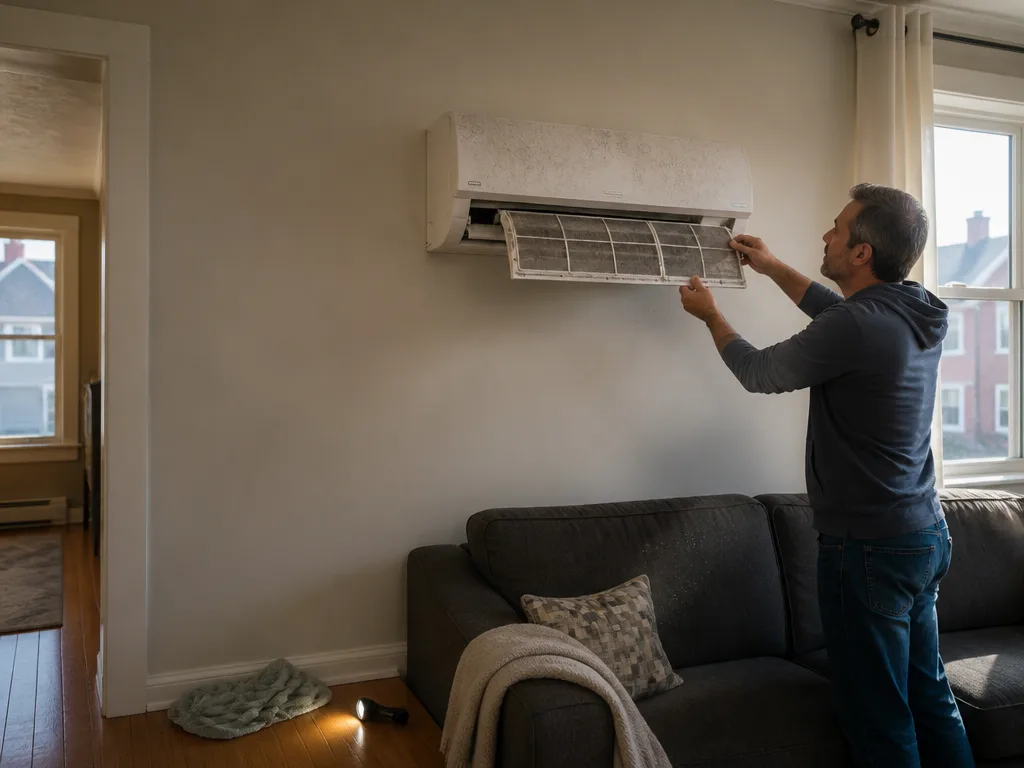
If you do only one thing after your installation, make it the filter. Mini-splits pull air through a washable filter in the indoor head, and every week of dust it catches is a week the coil has to work harder to move heat. In a house near the water with salt air and a lot of foot traffic, that filter can get grimy faster than you would guess.
Here is a rhythm that works for most Lynn homes:
- Check the filter every two weeks during heavy use months, like July and January.
- Rinse it with lukewarm water and let it dry fully before sliding it back in.
- Look for the telltale gray fuzz on the grille and wipe it down when you pull the filter.
- Keep furniture, curtains, and drapes at least a foot away from the indoor unit so air can actually move.
A clogged filter does not always show up as a dramatic failure. More often you just notice the bills creeping up and rooms that take longer to feel comfortable. That slow drift is the system telling you it is working too hard.
Outdoor unit placement and the Lynn weather
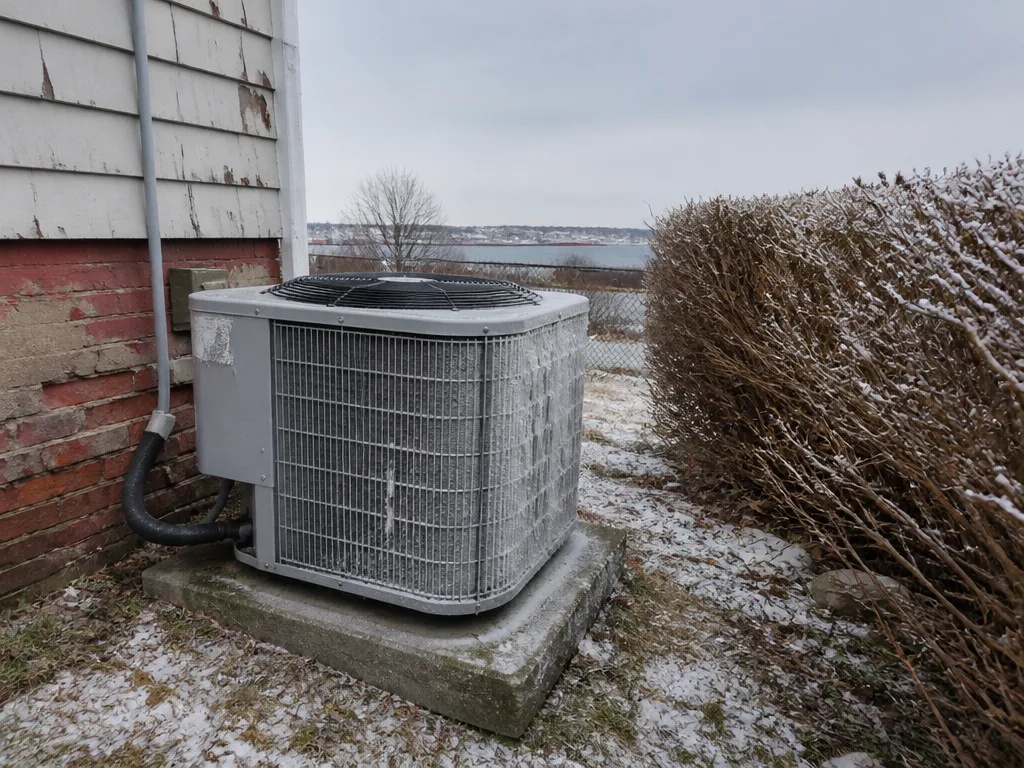
The outdoor condenser deserves more attention than most people give it. It sits in the open, takes wind off the coast, collects leaves, and in winter can get buried in snow or ice. Each of those things reduces airflow across the coil, and reduced airflow is where efficiency quietly disappears.
Walk out to the condenser once a month. Clear away leaves, grass clippings, and anything that has blown up against the cabinet. Leave at least a couple of feet of open space around the sides and top. If you have a deck or a shed built too close, that is worth thinking about before summer, not after the unit starts short-cycling.
In winter, shovel the snow away from the unit rather than packing it in around the base. Some snow is fine. A drift that sits at the height of the fins is not. The unit also needs its base to stay level and stable, so if you notice it sinking or tilting after a hard freeze, mention it when you call.
Vibration and noise are early warnings
A little hum is normal. A new buzzing, a thump when the compressor kicks on, or a metallic rattle from the outdoor cabinet usually means something has loosened. Brackets, mounting bolts, and the isolation pads under the unit wear over time, especially on older concrete pads or stands that were not perfectly level from the start. Tightening a loose panel might fix it. Sometimes it is the start of a bigger problem, and an HVAC technician should take a look before it gets worse.
Keep the lines and controls honest
The refrigerant lines and electrical connections between the indoor and outdoor units are the parts most people never see. You do not need to touch them. You do need to make sure nothing is pressing on them. Look for insulation that has torn or pulled away, cable ties that have snapped, or lines that have been bumped by a ladder or a garden tool. Damaged insulation on the suction line can cause condensation to drip in odd places and make the system work harder than it should.
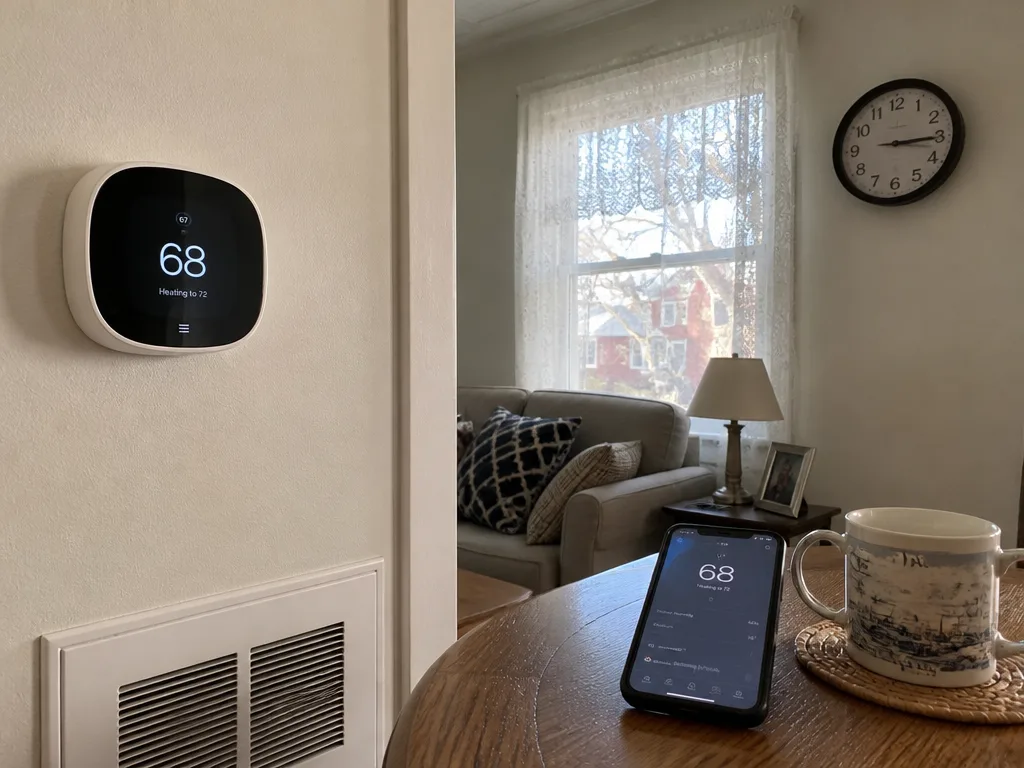
Controls matter too. Many homeowners set the remote once, then bounce between modes without thinking. Running heat and cool on the same day, or leaving the setpoint wildly different from the room temperature, makes the system cycle more. Pick a reasonable temperature, let the unit hold it, and use the fan and swing settings sparingly. If the remote batteries are dying and the unit responds slowly, swap them before blaming the system.
When to call a pro instead of waiting
Some problems are not DIY work, and waiting only makes them more expensive. Call our team if the unit stops cooling or heating a room it used to handle easily, if you see ice forming on the outdoor coil in a mild stretch, if the system trips a breaker, or if you smell something burning. A sweet or chemical smell near the indoor head also deserves attention, even if the unit still seems to be running.
Lynn has plenty of older homes with added rooms, finished attics, and odd layouts, and ductless systems are a popular fix for those spaces. That also means the system may be serving areas the original design never planned for. If you have added a room or changed how a space gets used, let the HVAC technician know so the unit can be checked against the new load.
Keeping a mini-split performing well is mostly about small habits and paying attention early. Clean the filter, keep the outdoor unit clear, listen for new noises, and call when something feels different. You can reach Lynn Heat Pump Repair by phone whenever a problem shows up, and a quick call now is almost always easier than a long wait later.