Salt air is quieter than you think
Lynn sits right on the water, and the air along the shore carries salt that settles on everything. Your outdoor heat pump unit is sitting in that air year round. Over a few seasons, salt spray and damp weather start eating at the coil fins, the mounting brackets and the little screws holding the cabinet together.
You won't see it happening. The first sign is usually a unit that runs longer than it should to hit the same temperature, or a fan that sounds a bit rougher than last year. Rinsing the outdoor unit with a garden hose once or twice a year, especially after a winter of road salt blowing around, helps more than most people expect. Turn the unit off at the disconnect first and spray gently from the top down.
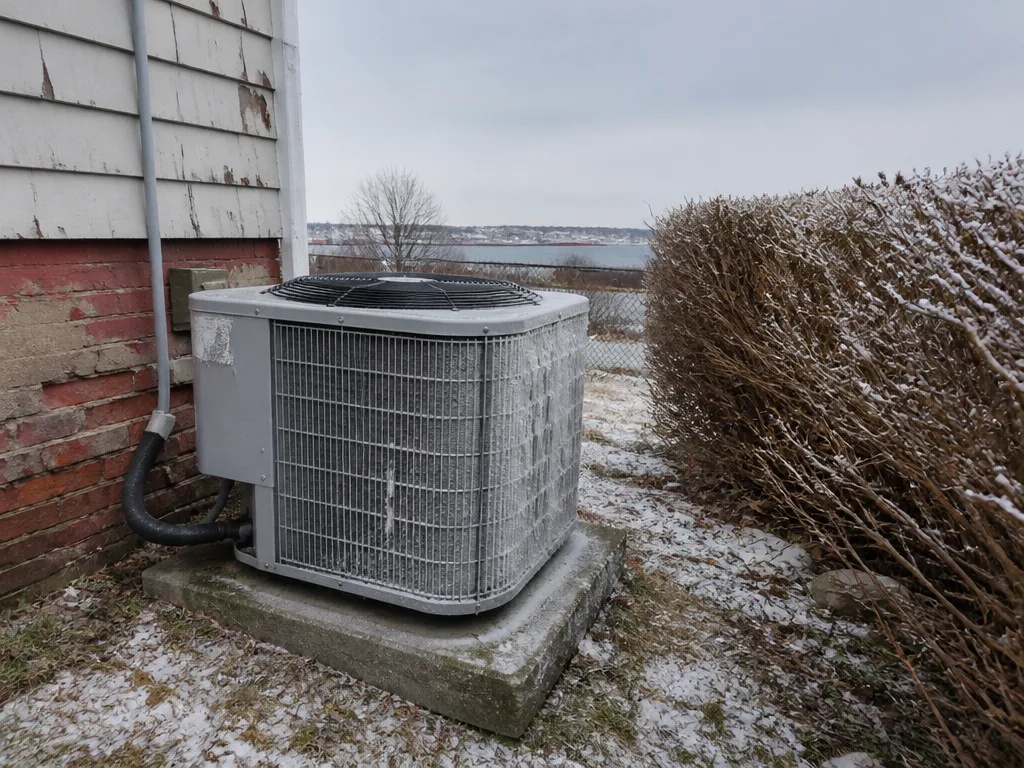
Keep shrubs and leaf piles at least two feet away from the unit. Coastal wind pushes debris right into the coil, and a clogged coil forces the system to work harder on the coldest nights, which is exactly when you need it least to struggle.
Ice storms are the bigger threat in Essex County
FEMA's National Risk Index rates Essex County Very High for ice storms, and anyone who has lived through a February freezing rain knows why. Ice builds up on the top of the outdoor unit, around the fan guard and sometimes right over the coil. A thin layer can be fine. A thick shell cuts airflow and makes the defrost cycle run constantly.
Here is what homeowners in Lynn can do without climbing on the roof:
- Knock loose slush off the top and sides with a broom, never a metal shovel.
- Check that the unit is still level after heavy snow, since settling can crack the pad.
- Listen for a loud whoosh or banging during defrost. Some noise is normal, but repeated heavy banging is not.
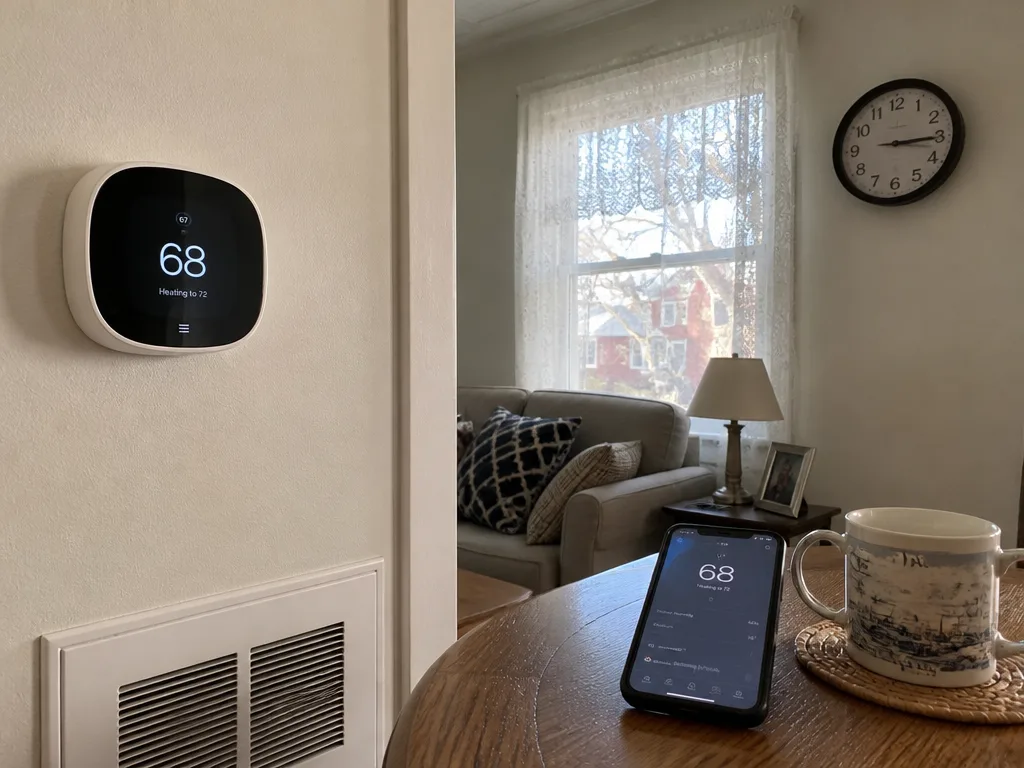
- Keep the thermostat on heat rather than letting the house drop far below your normal setting overnight. A cold house makes recovery much harder.
If the unit stays iced over for more than a day or two, shut it down and call. Forcing it through that kind of buildup can damage the compressor.
Wind and the occasional flood cut into performance
NOAA logged 16 damaging-wind reports, 1 hail report and 9 flood reports across Essex County from 2022 to 2024. FEMA rates the county Relatively High for hurricanes and strong winds. Those numbers add up to a lot of storms that rattle outdoor equipment loose.
Wind-driven rain can get into electrical connections and the control board. After a big storm, look for water pooled inside the cabinet, bent fins or a unit that's tilted. Don't run it until someone has looked at it. Flooding is a bigger problem in low-lying neighborhoods near the harbor, so if your unit sits low on the lot, raising the pad a few inches on a proper base is worth talking through with an HVAC technician before the next storm season.
Strong gusts can also knock the condensate drain line loose or blow debris into it. A drain that backs up is one of the most common causes of water staining near the indoor air handler, so check the outside drain path after storms.
Older Lynn homes ask more from the system
Most homes in Lynn were built around 1944, and about 63% predate 1960. That's a lot of houses with leaky windows, uninsulated rim joists and ductwork that was never sized for a modern system. A heat pump in one of those homes works hard to keep up, especially during a cold snap.
The HVAC side of this is practical. Before a heat pump goes in, or during a tune-up, ask whether the airflow is balanced across rooms. A system that pushes too much air into one bedroom and not enough into the front room will short cycle and wear out faster. Sealing obvious air leaks around attic hatches and basement sill plates usually makes a bigger difference than people expect.
About 57% of Lynn homes heat with natural gas and 20% use electricity, so many homeowners are comparing heat pumps to a gas furnace or deciding whether to keep a backup heat source. If you're weighing that, think about your winter electric bills and how often the outdoor unit iced over last year.
A seasonal checklist for Lynn homeowners
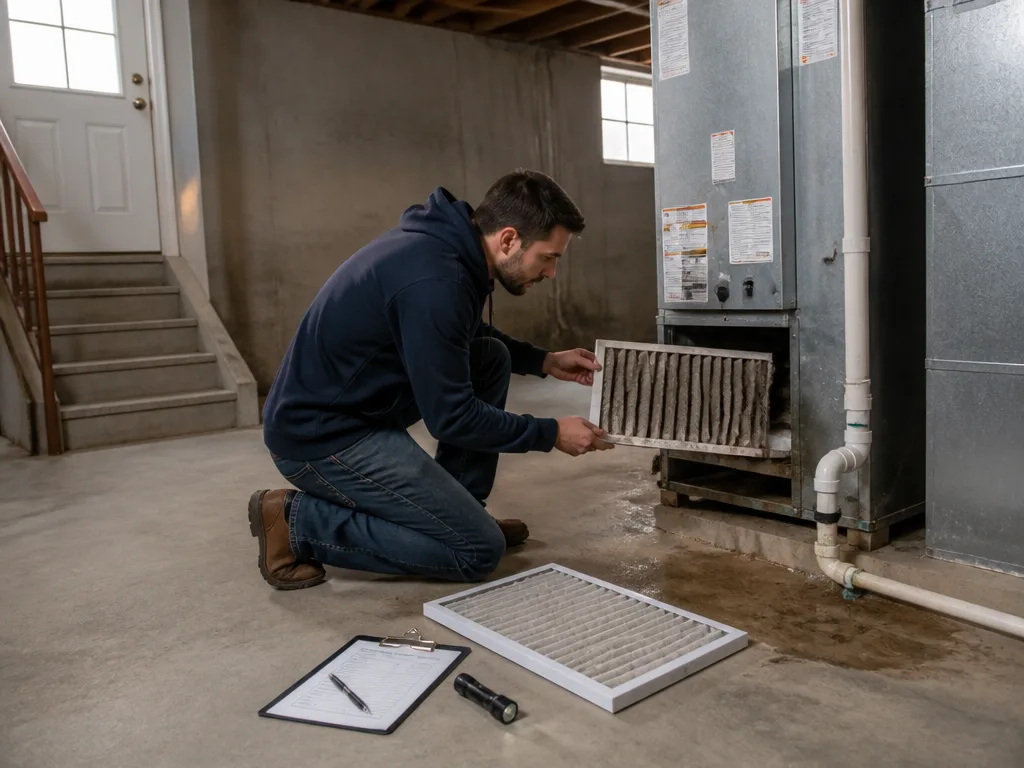
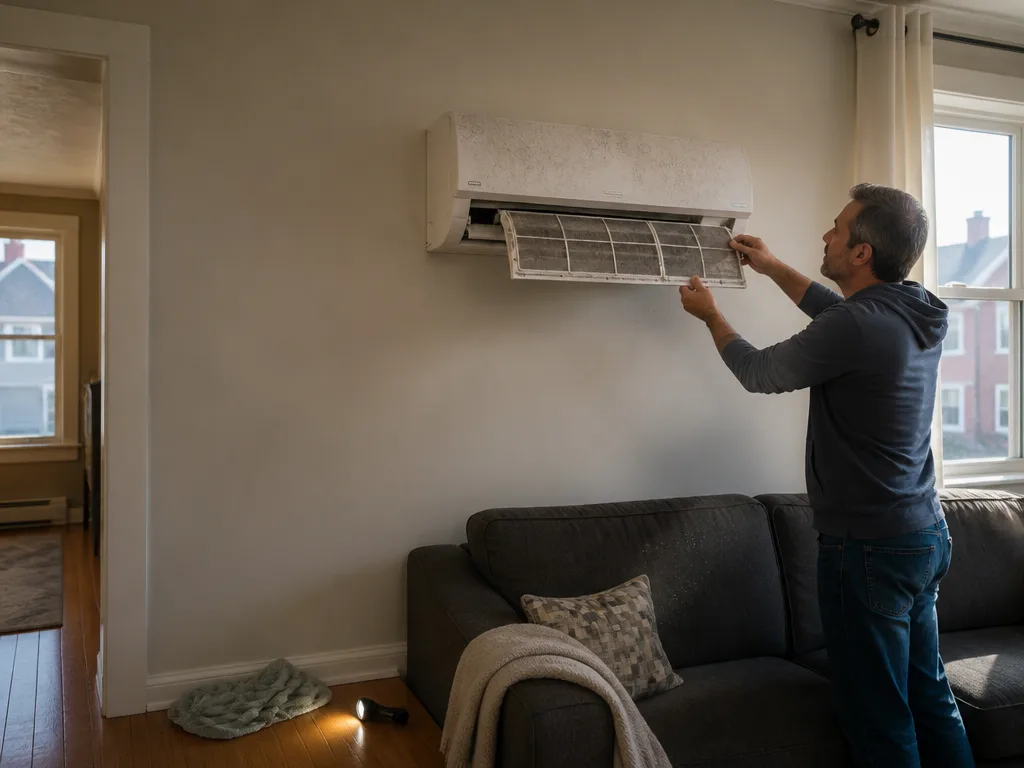
Spring is the time to clear debris, check the defrost behavior and make sure the condensate line drains freely. Summer is when you want the coil clean and the filter changed monthly, since dust loads up quickly in a humid coastal summer. Fall is the moment to test the heating mode before the first cold night, because finding a problem in October is far easier than finding it in January.
Winter is about watching, not fixing. Keep snow off the unit, listen for changes in sound and keep an eye on how long the system runs. If the house feels slow to warm up or the outdoor unit stays iced for hours, that's your cue to call.
Lynn Heat Pump Repair handles these seasonal checks and repairs across Lynn and the nearby towns. If something on your unit looks off, give us a call and our team will talk through what you're seeing and what to do next. Calls are the way in, so pick up the phone whenever a sound, smell or temperature swing catches your attention.